
Effective Postpartum Core Strengthening Exercises for Diastasis Recti
- Hannah Golden
- Apr 27
- 5 min read

Welcoming a new life into the world is a beautiful journey, but it also brings a whirlwind of changes to your body. One common challenge many new mothers face is diastasis recti, a separation of the abdominal muscles that can leave you feeling less stable and confident in your core. If you’ve noticed a gap or a bulge in your belly after pregnancy, you’re not alone. The good news? With gentle, targeted postpartum core strengthening exercises, you can help your body heal and regain strength.
I remember feeling overwhelmed when I first noticed my tummy wasn’t quite the same. But utilizing the safe and effective movements I have learned to target the postpartum core, I found a rhythm that worked for me. Today, I want to share some of those insights with you, so you can feel empowered and supported on your own postpartum journey.
Understanding Postpartum Core Strengthening Exercises
When we talk about postpartum core strengthening exercises, we’re focusing on movements that gently engage and rebuild the muscles around your abdomen, pelvis, and lower back. These exercises are designed to be safe for your healing body, especially if you’re dealing with diastasis recti.
Your core isn’t just about having a flat belly; it’s the foundation for your posture, balance, and overall strength. After pregnancy, your abdominal muscles have stretched and separated to make room for your baby. This separation can cause discomfort, lower back pain, and even affect your ability to lift and carry your little one comfortably.
Starting with simple, mindful exercises can help close that gap and restore function. Think of it like knitting your muscles back together, stitch by stitch. It’s a process that requires patience, but every small step counts.
Here are some gentle postpartum core strengthening exercises to consider:
Pelvic Tilts: Lie on your back with knees bent, feet flat on the floor. Gently tilt your pelvis upward, flattening your lower back against the floor. Hold for a few seconds, then release. This helps activate your deep core muscles.
Heel Slides: While lying on your back, engage your core and slowly slide one heel away from your body, then bring it back. Alternate legs. This movement encourages control and coordination.
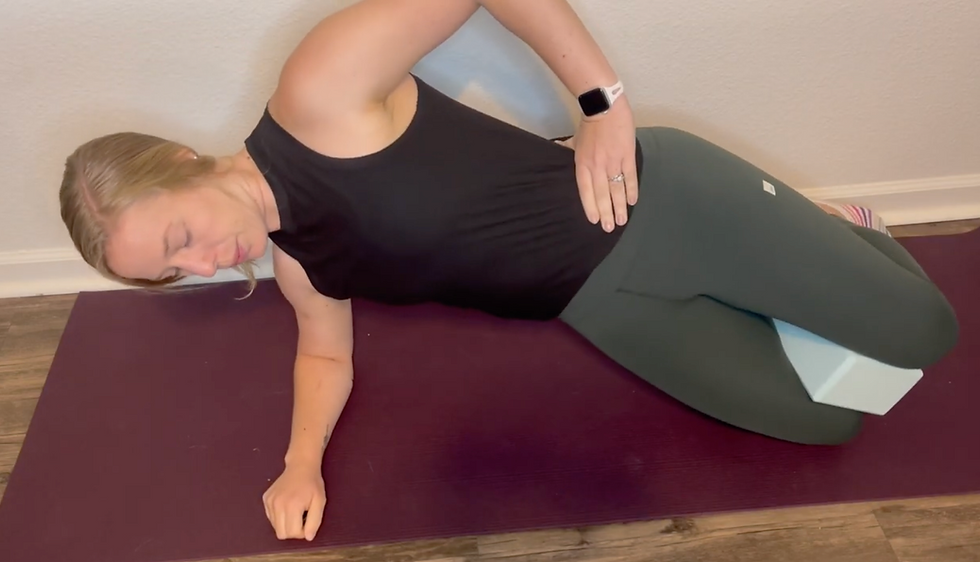
Modified Side Plank: Lie on your side with knees bent. Prop yourself up on your forearm and lift your hips slightly off the ground. Hold for a few breaths. This strengthens your obliques without straining your abdomen.
Seated Ball Squeezes: Sit on a chair or exercise ball with good posture. Place a small ball or pillow between your knees and gently squeeze. This engages your pelvic floor and inner thighs.
Remember, the goal is to move with intention and listen to your body. If anything causes pain or discomfort, pause and consult a healthcare professional.
Can postpartum exercises fix diastasis recti?
You might be wondering, “Can postpartum exercises really fix diastasis recti?” The answer is yes, but with some important caveats. Diastasis recti is a physical condition where the connective tissue between your abdominal muscles stretches and thins. While it won’t always close completely, targeted exercises can significantly improve muscle function and reduce the gap.
The key is to focus on exercises that promote core engagement without putting excessive pressure on the midline. Avoid traditional crunches or sit-ups early on, as these can worsen the separation. Instead, prioritize movements that strengthen your transverse abdominis—the deep muscle layer that acts like a natural corset.
Consistency is your best friend here. Doing these exercises regularly, combined with good posture and mindful movement throughout your day, can lead to noticeable improvements. Many women find that after several weeks or months, their core feels stronger, their posture improves, and the bulge softens.
If you’re unsure about your progress or how to perform exercises safely, consider working with a postpartum fitness specialist or physical therapist. They can tailor a program to your unique needs and help you avoid common pitfalls.
How to Safely Start Your Postpartum Core Journey
Starting any exercise routine after childbirth can feel intimidating. Your body has been through a lot, and it’s important to honor that. Here’s a simple roadmap to help you begin safely:
Get the green light from your healthcare provider: Before starting any exercise, check in with your doctor or midwife, especially if you had a cesarean or complications.
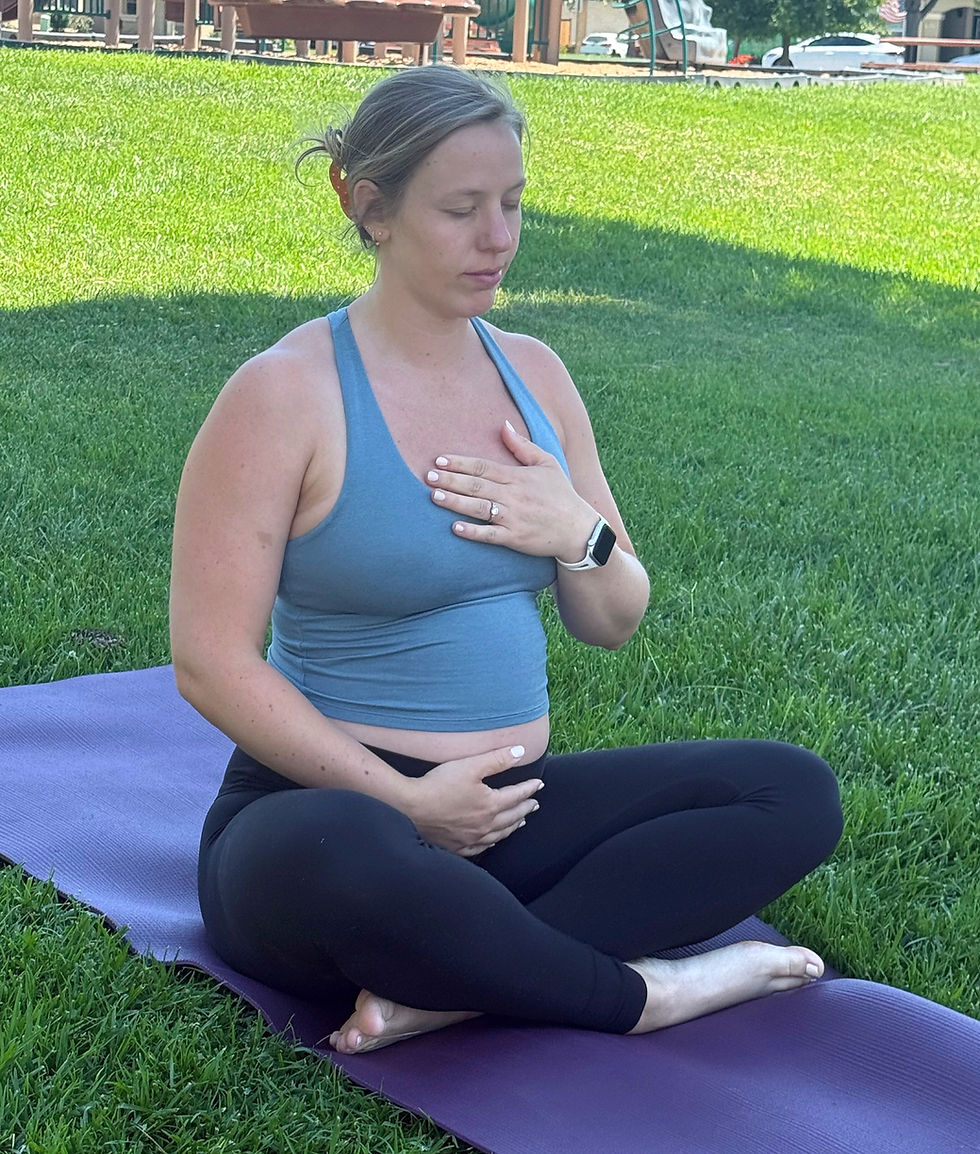
Focus on breathing and alignment: Proper breathing helps engage your core muscles. Practice diaphragmatic breathing—inhale deeply through your nose, expanding your belly, then exhale slowly through your mouth while gently drawing your belly button toward your spine.
Start with gentle activation: Begin with exercises like pelvic tilts and heel slides to reconnect with your core.
Progress gradually: As you build strength, incorporate more challenging moves like modified planks or bird-dogs.
Avoid heavy lifting and intense abdominal strain: Give your body time to heal before jumping into high-impact workouts.
Listen to your body: If you feel pain, pressure, or discomfort, stop and rest.
By approaching your postpartum core strengthening exercises with care and patience, you’re setting yourself up for long-term success.
Incorporating Postpartum Core Strengthening into Your Daily Life
One of the best parts about postpartum core strengthening exercises is that they don’t have to take hours out of your day. You can weave them into your daily routine, making your healing journey feel natural and manageable.
Here are some tips to help you stay consistent:
Set small, achievable goals: Even 5-10 minutes a day can make a difference.
Use reminders: Place sticky notes or set phone alarms to prompt you to do your exercises.
Combine with self-care: Pair your exercises with moments of mindfulness, like deep breathing or gentle stretching.
Involve your baby: Try exercises while your little one naps nearby or even during tummy time.
Celebrate progress: Keep a journal or take photos to track your improvements over time.
Remember, this is about more than just physical healing. It’s about reconnecting with your body and embracing the strength you’ve gained through motherhood.
If you want to explore more detailed routines, you might find helpful resources on diastasis recti exercises postpartum that offer step-by-step guidance tailored to your needs.
Embracing Your Postpartum Strength
Healing from diastasis recti is a journey, not a race. It’s about honoring your body’s incredible ability to adapt and recover. Along the way, you’ll discover new ways to move, breathe, and feel strong.
Whether you’re just starting or have been working on your core for a while, remember that every effort counts. Celebrate the small victories - the first time you feel your core engage, the moment you notice better posture, or simply the peace that comes from taking time for yourself.
Your postpartum core strengthening exercises are more than just physical movements. They’re a loving act of self-care, a way to nurture your body as it nurtures your family.
So, take a deep breath, trust the process, and know that with each gentle exercise, you’re weaving strength, resilience, and grace into your new chapter.
If you’re ready to begin or deepen your postpartum core journey, consider reaching out to local experts who understand the unique needs of new mothers. With the right support and guidance, you can feel confident and empowered every step of the way.

Comments